
But he denied it before them all. "I don't know what you're talking about," he said (Mat 26:70 NIV).
Failure is a strange teacher. Many people imagine they are ready for life's hardest moments because they have rehearsed them in their minds. Confidence sounds convincing while the skies are clear, but storms reveal whether the roof was truly built well. A student may promise never to cheat until pressure comes. A worker may swear honesty until money is placed within reach. A believer may speak boldly until ridicule arrives. We rarely discover the strength of our convictions in comfort. We discover them when fear knocks loudly, and every excuse suddenly seems reasonable. That was the lesson Peter learned in one unforgettable night.
Peter sincerely believed he would stand with Jesus no matter the cost. Yet when questioned by ordinary people around a fire, fear spoke louder than loyalty, and he denied even knowing his Master three times. Proverbs 16:18 warns that pride goes before destruction. Courage should be demonstrated before it is announced. Even our confidence can endanger others when we make promises that encourage them to rely on us more than they should. Paul wisely wrote, "Let anyone who thinks that he stands take heed lest he fall" (1 Corinthians 10:12).
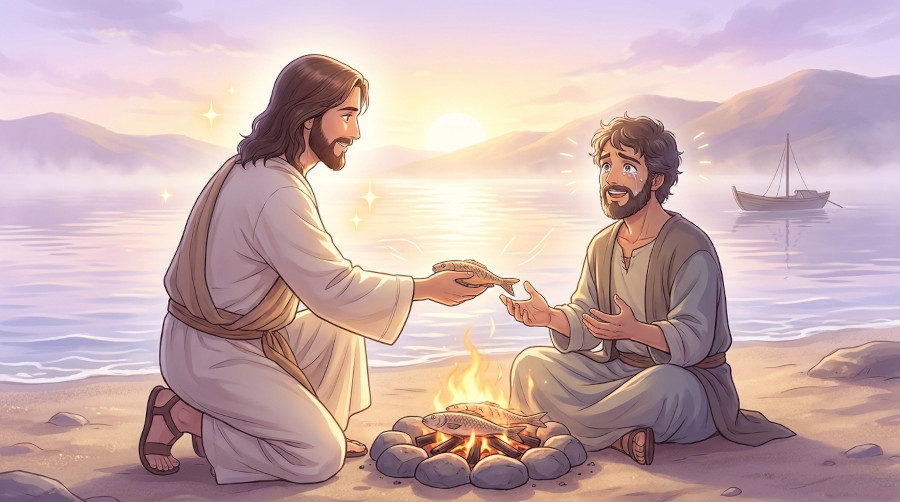
Peter's story did not end with failure. The rooster crowed, Jesus' words returned to his memory, and Peter wept bitterly. Those tears were not hopeless despair but the beginning of restoration. Instead of defending himself, he faced the truth. Psalm 51 reminds us that God does not despise a broken and repentant heart. Later, Jesus restored Peter and entrusted him with caring for His people (John 21:15-19). Failure becomes final only when pride refuses to repent. When we stumble, honest confession, genuine repentance, and renewed dependence on Christ can transform our worst moments into the starting point of faithful service.


